
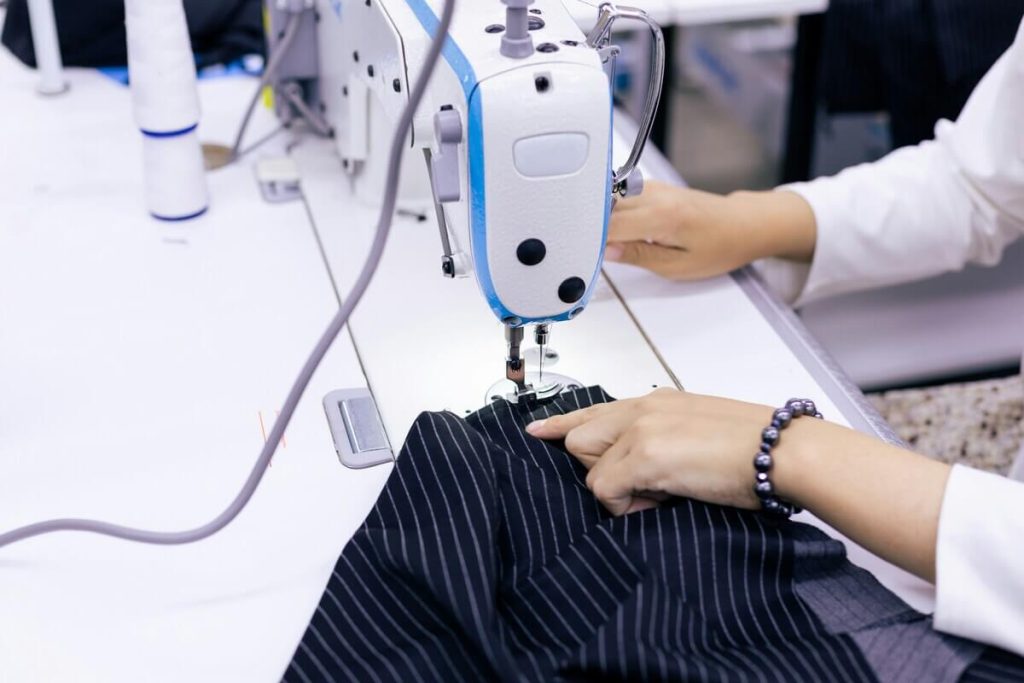
Establishing a reliable supply chain is the most critical operational challenge for growing fashion brands and corporate procurement departments. Sourcing production overseas offers significant cost advantages, but it also introduces complexities related to quality control, communication, and logistics. When evaluating global production hubs, identifying top-tier clothing manufacturers in indonesia is a highly strategic move for businesses aiming to scale efficiently. The region has developed a formidable reputation for delivering exceptional textile products that meet the stringent demands of the international market.
The process of vetting and selecting a production facility requires careful due diligence. Brand owners cannot simply rely on marketing materials; they must delve into a factory’s operational capacity, technical expertise, and past performance. A successful partnership with a manufacturer is built on transparency, shared quality standards, and a mutual commitment to long-term growth.
Why the Indonesian Market is Thriving
The prominence of clothing manufacturers in indonesia is not accidental. It is the result of decades of industrial development and a concentrated focus on export-driven textile production. The national infrastructure has been optimized to support large-scale manufacturing, with established logistical networks facilitating the movement of raw materials and finished goods. This robust ecosystem provides international buyers with a stable and predictable manufacturing environment.
Furthermore, the Indonesian workforce is deeply skilled in garment construction. From complex pattern making to precise finishing techniques, the labor pool possesses the technical acumen required to execute intricate designs. This combination of institutional knowledge and modern industrial infrastructure positions the country as a highly competitive alternative to other major Asian manufacturing centers.
Strategic Criteria for Selecting a Factory
The sheer number of production facilities available can be overwhelming for brand managers conducting their initial sourcing research. To narrow down the options, it is essential to establish a clear set of criteria for evaluating potential clothing manufacturers in indonesia. The first metric to assess is the factory’s specialization. A facility that excels in producing heavy winter outerwear may not be equipped to handle lightweight activewear or delicate woven shirts. Aligning the manufacturer’s core competencies with your brand’s specific product category is vital.
Evaluating Minimum Order Quantities
Understanding a factory’s minimum order quantity structure is crucial for financial planning. Larger facilities often require substantial order volumes to justify the setup costs of their production lines. If your brand is in a growth phase or testing a new market segment, securing a partner willing to accommodate flexible minimums is highly advantageous. Clear negotiations regarding volume expectations help prevent future friction and ensure a sustainable working relationship.
Verifying Technical and Ethical Standards
Before initiating any sample production, brand owners should request detailed information regarding the factory’s quality control protocols and compliance certifications. Reputable clothing manufacturers in indonesia operate with full transparency, often holding internationally recognized certifications for labor practices and environmental management. A factory’s willingness to share this documentation is a strong indicator of their professionalism and commitment to ethical manufacturing.
The Critical Role of Prototyping
The sampling process is the definitive test of a factory’s capabilities. A comprehensive technical pack should be provided to the manufacturer, detailing every aspect of the garment’s construction, from fabric composition to thread tension. The resulting prototype serves as a physical proof of concept. It allows the brand to evaluate the factory’s interpretation of the design, the accuracy of their grading, and the quality of their finishing techniques.
Thoroughly reviewing the prototype is non-negotiable. Any discrepancies or quality issues identified at this stage must be addressed and corrected before authorizing bulk production. A competent manufacturer will welcome constructive feedback and work collaboratively to refine the sample until it perfectly matches the brand’s vision.
Building a Resilient Supply Chain
Selecting the right partner among the many clothing manufacturers in indonesia is an investment in your brand’s future. A strong relationship with a dependable factory provides a competitive edge in a crowded marketplace. It allows internal teams to focus on design innovation and marketing strategy, confident that the physical product will meet customer expectations.
Clear, consistent communication is the key to maintaining this relationship. Regular production updates, transparent cost breakdowns, and a proactive approach to problem-solving are the hallmarks of a professional manufacturing alliance. For more context on global supply networks, you can read about supply chain management on Wikipedia.
Texwell stands out as a premier manufacturing partner in the Indonesian textile sector. We possess the technical expertise, production capacity, and strict quality control necessary to execute high-volume apparel orders. Our commitment to transparent communication ensures a seamless production experience for our international clients.
If you need a reliable apparel manufacturing partner to produce uniforms or fashion products in bulk, we are ready to help. Contact us today to discuss your technical specifications and production needs: Texwell Marketing Contact